Bio-oil

Bio-oil

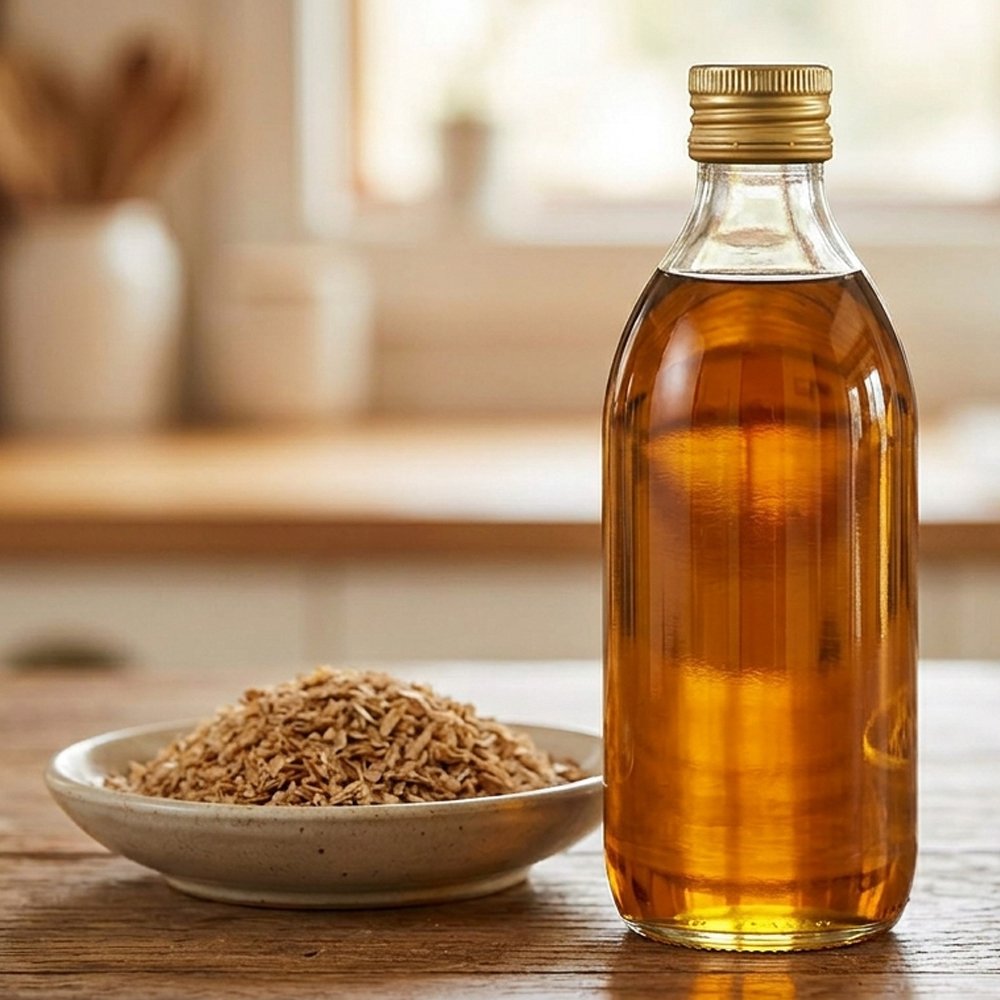
Bio-oil from rice husk is a renewable liquid fuel produced via fast pyrolysis (typically at 650°C–900°C), yielding approximately 47–50 wt% of the dry biomass. It acts as an eco-friendly alternative to fossil fuels, often containing phenolic compounds, with a lower heating value of 16–17.42 MJ/kg.

Key Benefits & Uses:

  • Optimal Production: The highest bio-oil yields are achieved around 550°C, producing a liquid with significant water content (often >25 wt%) and high acidity.
  • Composition: Comprises water, solid char, and complex organic compounds, including aliphatic and aromatic hydrocarbons.
  • Upgrading: Catalytic pyrolysis using zeolites or co-pyrolysis with plastics can improve bio-oil quality by reducing oxygenated compounds and increasing energy density.
  • By-products: The process also yields valuable bio-char used for soil amendment or as an adsorbent, alongside gaseous mixtures.
  • Properties: Typical properties include a density of 106.6 g/cc and a flash point around 115°C.

Get in Touch

Far far away, behind the word mountains, far from the
countries Vokalia and