
Our products are developed by transforming agricultural waste into high-quality biochar and carbon solutions that improve soil health, enable long-term carbon sequestration, and support sustainable agricultural and industrial applications.
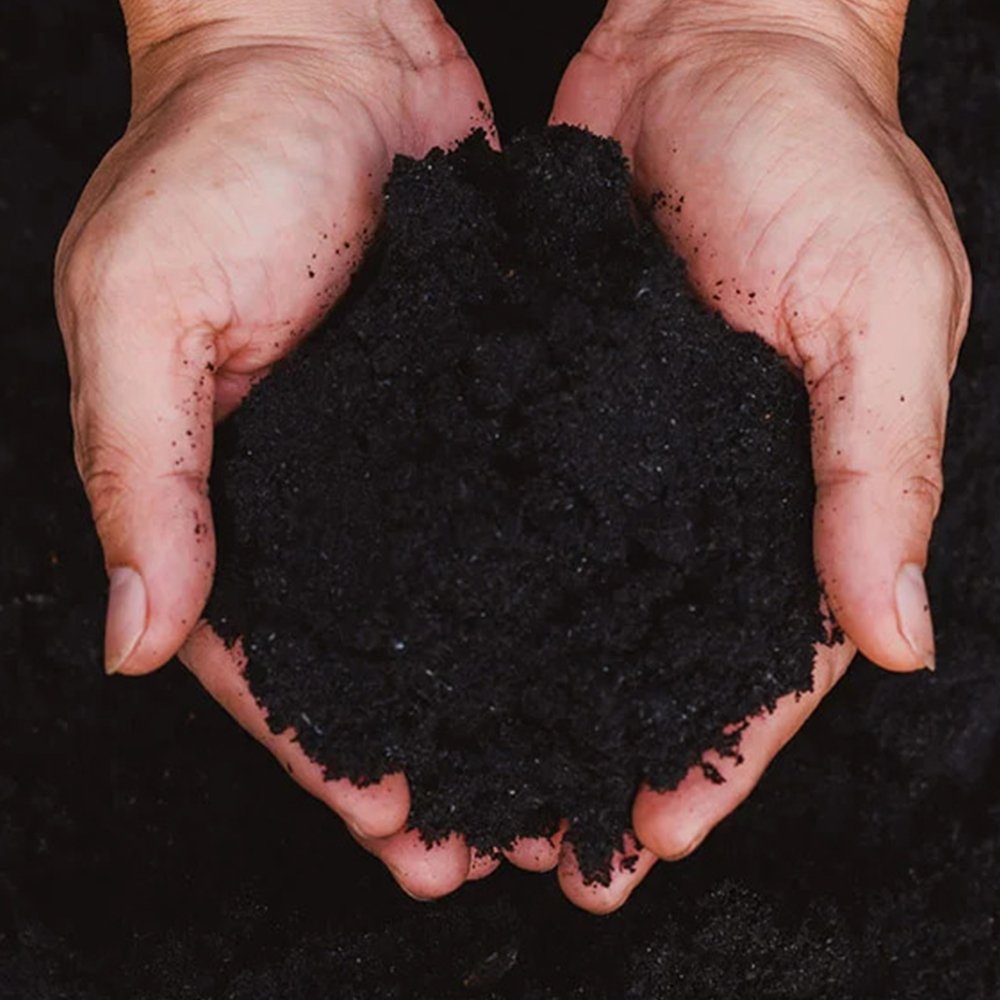
Biochar is a stable, carbon-rich product created by pyrolyzing organic waste (wood, agricultural residues) at 650-900°C , commonly used to improve soil quality, boost agricultural yields, and sequester carbon. It works as a porous soil amendment, enhancing nutrient retention and water management.
Agriculture & Horticulture: Enhances soil health, reduces nutrient leaching, and increases crop yields. Specific products include soil amendments, growing media components, and potting mixes.
Environmental Management: Used in water filtration, remediation of contaminated soil, and as a natural odor absorber.
Urban Greening: Used in green roofs and urban tree planting to improve urban soil conditions.
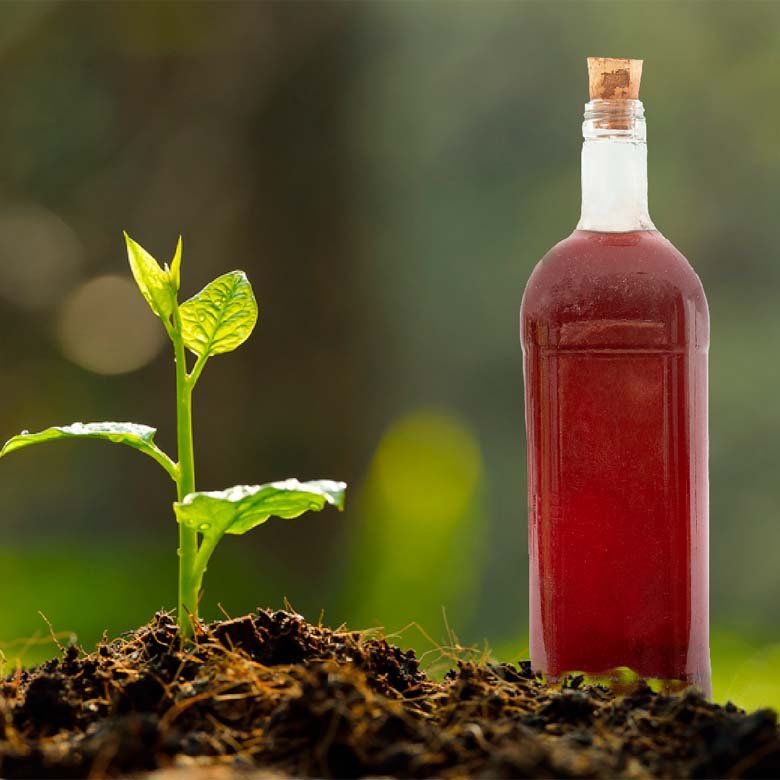
Wood vinegar, or pyroligneous acid, is a reddish-brown liquid produced by condensing smoke from charcoal production. Primarily used in agriculture, it enhances soil health, stimulates plant root growth, and acts as a natural pesticide, often diluted at 1:200 to 1:500 for application. It is a sustainable product composed of water, acetic acid, and other organic compounds.
Agriculture: Boosts seed germination, strengthens plant immunity, and increases beneficial soil microbes.
Pest Control: Acts as a, repellent against insects and fungi due to its acidic nature (pH 2-4) and smoky odor.
Soil Improvement: Improves water retention and acts as a soil conditioner.
Animal Feed: Improves nutrient absorption in livestock when mixed into feed.
Composting: Speeds up decomposition in composting systems.
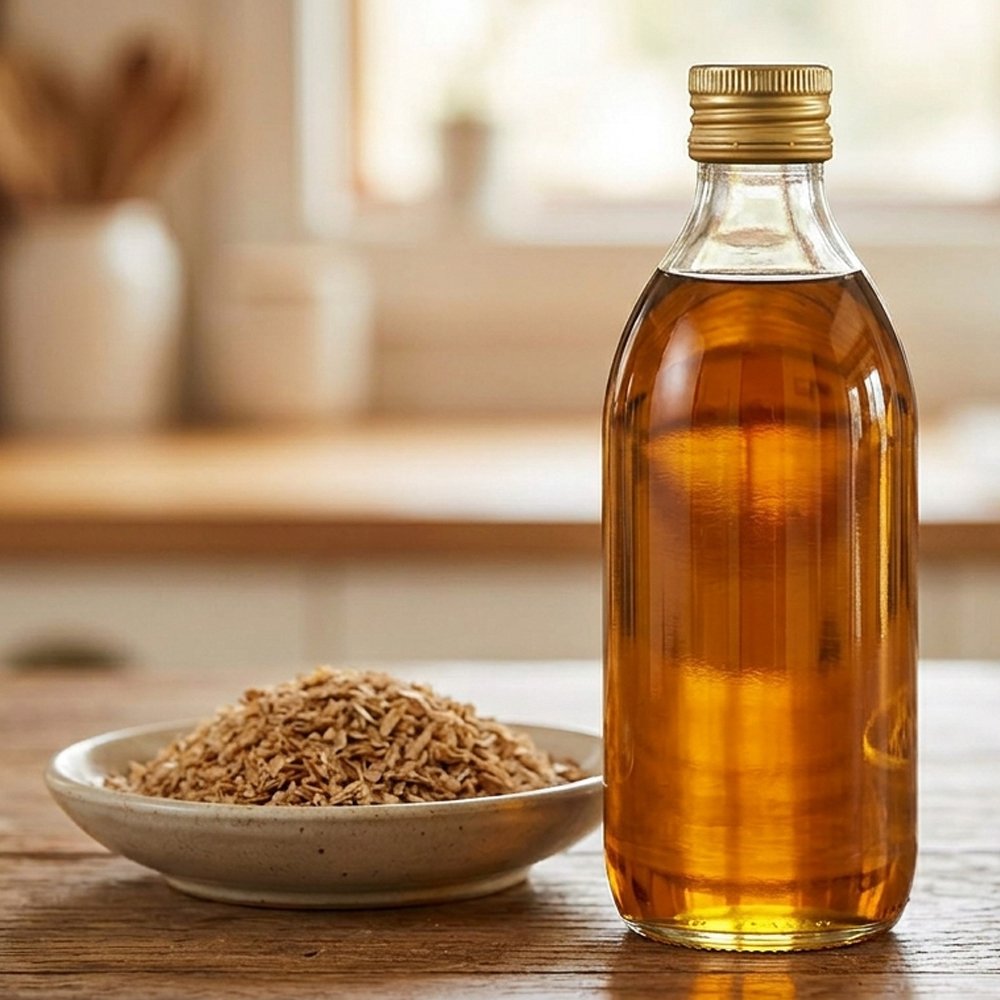
Bio-oil from rice husk is a renewable liquid fuel produced via fast pyrolysis (typically at 650°C–900°C), yielding approximately 47–50 wt% of the dry biomass. It acts as an eco-friendly alternative to fossil fuels, often containing phenolic compounds, with a lower heating value of 16–17.42 MJ/kg.
Optimal Production: The highest bio-oil yields are achieved around 550°C, producing a liquid with significant water content (often >25 wt%) and high acidity.
Composition: Comprises water, solid char, and complex organic compounds, including aliphatic and aromatic hydrocarbons.
Upgrading: Catalytic pyrolysis using zeolites or co-pyrolysis with plastics can improve bio-oil quality by reducing oxygenated compounds and increasing energy density.
By-products: The process also yields valuable bio-char used for soil amendment or as an adsorbent, alongside gaseous mixtures.
Properties: Typical properties include a density of 106.6 g/cc and a flash point around 115°C.
We collaborate with farmer communities to apply biochar as a soil amendment, funded in part through verified carbon-credit revenues and aligned with agronomic best practices.
Factory address
Holding No. 424, Sherpur 11, Brahmandura, Shayestaganj, Habiganj.
Head Office
90, Mujaffor Tower, Brahmanbaria Sadar
© 2026 | agridew.com